
How NBFCs Can Improve Rural Healthcare Access through CSR Programs


Across India, access to quality healthcare still depends heavily on where people live. Many rural communities face long travel distances, shortages of healthcare professionals, limited diagnostic facilities, and inadequate health infrastructure.
Public healthcare systems continue to work towards addressing these gaps, yet the scale of the challenge calls for greater participation from the private sector through well-planned CSR programs.
For Non-Banking Financial Companies (NBFCs), corporate social responsibility presents an opportunity to contribute to long-term rural healthcare development while creating measurable social outcomes. Rather than relying on one-time donations, effective healthcare CSR programs invest in healthcare infrastructure, preventive care, digital health services, and community awareness to create long-term improvements in access and health outcomes.
These interventions can improve healthcare access in rural India and support stronger local health systems.
This article explores practical CSR ideas that NBFCs can adopt to support CSR for rural healthcare, the challenges organizations often encounter during implementation, and the practices that contribute to lasting impact. It also examines how strategic partnerships can help transform healthcare CSR initiatives into well-managed, evidence-based programs that benefit communities over the long term.
Key Takeaways
CSR programs can improve healthcare access in rural India through targeted, long-term initiatives.
NBFCs can strengthen rural healthcare development by investing in infrastructure, preventive care, and digital health.
Successful CSR in healthcare starts with local needs, clear goals, and measurable outcomes.
Strong partnerships and continuous evaluation lead to more effective CSR healthcare programs.
Table of Contents
Why Rural Healthcare Needs Greater CSR Programs
Rural India continues to face significant barriers to quality healthcare. While government initiatives remain central to healthcare delivery, private sector participation through well-planned CSR programs can address critical gaps that affect everyday access to medical services. For NBFCs, targeted CSR in healthcare can support long-term rural healthcare development and improve community well-being.
Key areas where CSR healthcare programs can create a meaningful impact include:
Limited healthcare infrastructure: Many villages lack adequately equipped primary health centres, diagnostic facilities, and emergency care.
Shortage of medical professionals: Rural communities often struggle to access doctors, specialists, nurses, and trained healthcare workers.
High out-of-pocket expenses: Travel, medicines, and diagnostics often increase the financial burden on rural families.
Poor maternal and child health: Limited prenatal, postnatal, and pediatric care continues to affect health outcomes in several regions.
Low awareness of preventive healthcare: Many people miss regular screenings, vaccinations, and early disease detection due to limited awareness.
Restricted access to specialist care: Patients frequently travel long distances for consultations and advanced treatment.
Unsafe drinking water and sanitation: Poor sanitation and contaminated water contribute to preventable illnesses.
Mental healthcare gaps: Mental health services remain inaccessible in many rural areas because of limited facilities and social stigma.
Addressing these challenges through well-planned CSR activities in healthcare supports stronger local health systems, improves healthcare access in rural India, and creates lasting value for both communities and organizations.
11 Effective CSR Ideas for NBFCs to Strengthen Rural Healthcare Access
Well-planned CSR projects focus on the healthcare needs of a community instead of isolated activities. For NBFCs, long-term CSR initiatives can strengthen local health systems, improve access to essential services, and support measurable outcomes. The following CSR ideas address different aspects of corporate social responsibility in healthcare and can form part of a broader rural healthcare strategy.
1. Supporting Mobile Medical Units and Outreach Clinics
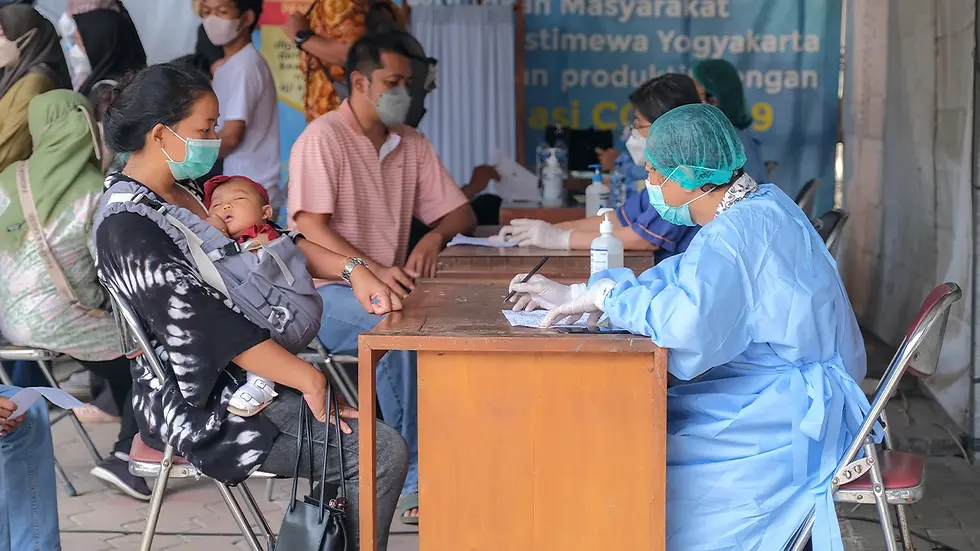
Mobile medical units bring essential healthcare to remote villages where permanent facilities remain out of reach.
These CSR activities in healthcare can include:
Regular medical consultations in underserved villages.
Basic diagnostic tests and medicine distribution.
Specialist visits through scheduled outreach programs.
Referral support for patients who need advanced treatment.
2. Building and Upgrading Healthcare Infrastructure
Many rural health centers require better facilities to meet local healthcare demands.
NBFC CSR programs can support:
Construction or renovation of primary healthcare centres.
Medical equipment for hospitals and clinics.
Laboratory and diagnostic facilities.
Essential infrastructure such as waiting areas and patient wards.
3. Funding Telemedicine and Digital Healthcare Services
Digital healthcare can connect rural patients with qualified doctors without extensive travel.
Potential digital healthcare CSR projects include:
Telemedicine consultation centres.
Internet-enabled diagnostic facilities.
Digital health record systems.
Remote specialist consultation services.
4. Improving Maternal and Child Healthcare
Maternal and child health remains a priority for many CSR rural healthcare initiatives.
Organizations can invest in:
Immunization support.
Nutrition services for mothers and children.
Community health education for expecting parents.
5. Supporting Women's Health Initiatives
Women's healthcare often extends beyond maternity care and requires sustained community support.
Relevant CSR initiatives for women's empowerment include:
Menstrual hygiene awareness.
Cervical and breast cancer screening camps.
Reproductive health education.
Access to women's healthcare specialists.
6. Conducting Nutrition and Sanitation Education Campaigns

Community awareness plays an important role in preventing many common health conditions.
NBFC CSR healthcare programs can support:
Nutrition awareness sessions for families.
Hygiene education in schools and villages.
Safe food handling practices.
Handwashing and sanitation campaigns.
Learn how 4th Wheel Evaluated a Digital Innovation Project to Detect Malnutrition in Indian Children
7. Supporting Mental Healthcare in Rural Communities
Mental healthcare remains underrepresented in many rural healthcare initiatives, despite growing awareness of anxiety, depression, substance dependence, and emotional distress.
NBFCs can support:
Community-based mental health counselling.
School mental wellness programs.
Training for frontline health workers to identify early signs.
Awareness campaigns that reduce stigma around mental health.
8. Providing Affordable Diagnostic and Screening Services
Many serious illnesses remain undetected because routine screening is unavailable or unaffordable in rural areas.
CSR funding for healthcare can take care of:
Screening camps for diabetes, hypertension, and anaemia.
Cancer screening programs for high-risk groups.
Vision and hearing assessments.
Subsidized diagnostic tests through local healthcare partners.
9. Clean Water and Sanitation Projects
Access to safe drinking water and sanitation directly influences community health and reduces the spread of waterborne diseases.
Potential healthcare CSR projects include:
Community drinking water systems.
Water purification facilities in schools and villages.
Construction of toilets in public institutions.
Hygiene infrastructure in healthcare centres.
10. Capacity Building and Training
Strong healthcare systems depend on skilled professionals and trained community workers who can respond to local health needs. That's why capacity building training is essential.
NBFC CSR programs can focus on:
Training for Accredited Social Health Activists (ASHAs) and community health workers.
Skill development for nurses and paramedical staff.
Emergency response and first-aid training.
Continuing education for rural healthcare professionals.
11. Preventive Health Screening and Awareness Camps
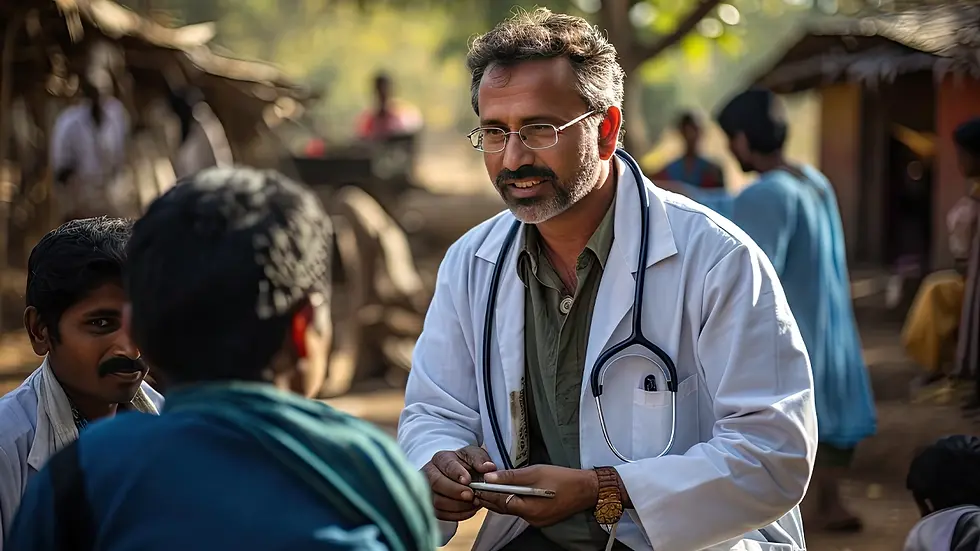
Preventive healthcare reduces disease burden by identifying health risks before they become serious.
Organizations can conduct CSR activities such as:
Health awareness drives on lifestyle diseases.
Vaccination awareness campaigns.
Oral health and eye care camps.
Seasonal disease prevention campaigns based on local health risks.
Challenges NBFCs Face While Implementing Rural Healthcare CSR
Many NBFC CSR programs begin with strong intent but face practical barriers during implementation. Rural healthcare requires long-term planning, coordination with multiple stakeholders, and continuous monitoring. Recognizing these challenges helps organizations design CSR healthcare programs that deliver measurable outcomes.
Understanding local healthcare needs
Projects based on assumptions may overlook the most urgent health priorities within a community.
Limited healthcare infrastructure
Existing facilities may lack the equipment, utilities, or space required to deliver quality healthcare services.
Shortage of healthcare professionals
Recruiting and retaining qualified doctors, nurses, and specialists in remote locations is a persistent challenge.
Geographic accessibility
Poor road connectivity and remote locations can delay healthcare delivery and reduce community participation.
Measuring social impact
Healthcare outcomes often require long-term monitoring before meaningful changes become visible.
Community participation
Programs may receive limited support without trust, awareness, and active involvement from local communities.
Regulatory and compliance requirements
Corporate social responsibility projects must align with applicable CSR regulations, reporting requirements, and healthcare standards.
Long-term sustainability
Lasting impact depends on continued funding, local ownership, and operational support beyond the initial project period.
Best Practices for Successful Rural Healthcare CSR Programs
Successful CSR initiatives focus on long-term improvements instead of isolated activities. A structured approach helps organizations use resources responsibly while supporting rural healthcare development.
Begin with a needs assessment: Collect baseline information to identify healthcare gaps before selecting a project.
Work with experienced implementation partners: Collaborate with organizations that understand local healthcare systems and community needs.
Set measurable objectives: Define indicators that track outputs, outcomes, and long-term impact.
Prioritize preventive healthcare: Balance treatment-focused interventions with awareness, early screening, and disease prevention.
Build local capacity: Strengthen the knowledge and skills of healthcare workers, community volunteers, and local institutions.
Use technology where appropriate: Telemedicine, digital records, and mobile health platforms can extend healthcare services to underserved areas.
Review and improve programs regularly: Use impact monitoring and evaluation findings to refine project design and strengthen future CSR projects.
Partner With 4th Wheel for High-Impact Healthcare CSR Programs
Well-executed CSR programs begin with a clear understanding of community needs, a structured implementation plan, and reliable impact measurement. This approach helps organizations direct resources toward projects that address genuine healthcare challenges and produce measurable outcomes.
At 4th Wheel, we work with organizations to design, implement, and evaluate CSR in healthcare through evidence-based frameworks and field-driven strategies. Our team supports every stage of the project lifecycle, from identifying priority areas to measuring long-term social impact.
Our expertise includes:
Needs assessments to identify healthcare priorities within target communities.
Program design aligned with organizational CSR objectives and local healthcare needs.
Implementation support through partnerships with credible grassroots organizations and stakeholders.
Monitoring and evaluation to measure outcomes, document learning, and strengthen future CSR initiatives.
Impact assessments services and reporting that support transparency, accountability, and informed decision-making.
NBFCs looking to support healthcare infrastructure in rural India, preventive healthcare, digital health services, or community-based healthcare CSR projects can rely on 4th Wheel for strategic guidance, implementation support, and impact assessment.
Ready to build a rural healthcare CSR program that creates measurable impact? Contact 4th Wheel today to discuss your CSR goals and develop a healthcare initiative that delivers meaningful outcomes for the communities you serve.


