
What are the Signs Your NGO Needs Capacity Building Support in 2026


Many NGOs focus so heavily on delivering programs that they rarely stop to evaluate the strength of the organisation behind those programs. Teams work hard, projects continue to run, and communities receive support. Yet growth can quietly create new pressures. Reporting requirements become more demanding, donor expectations increase, and internal systems struggle to keep pace with expanding responsibilities.
In many cases, the challenge is not commitment or intent but a lack of organisational capacity. An NGO may have a strong mission and dedicated team, but still face difficulties in planning, leadership, data management, fundraising, monitoring, or stakeholder engagement. These gaps often become more visible as organisations grow and take on larger programs.
Recognising the signs of capacity building early can help organisations address weaknesses before they affect performance. Strong capacity building for NGOs focuses on strengthening systems, skills, processes, and leadership so organisations can operate more effectively and create greater long-term impact.
Understanding when support is needed is often the first step toward building a stronger and more resilient organisation.
Key Takeaways
Early signs of capacity building needs often appear through system, leadership, or reporting challenges.
Strong capacity building for NGOs improves organisational performance and sustainability.
Leadership, fundraising, monitoring, and program management are common areas requiring support.
Investing in organisational capacity strengthens long-term social impact and growth.
Table of Contents
7 Signs Your NGO Needs Capacity Building Support
Most organisations do not realise they need support because challenges often appear gradually. A reporting delay here, a funding concern there, or a growing dependence on a few individuals may not seem significant in isolation.
Over time, however, these issues can affect program quality, team performance, and organisational stability. The following signs often indicate that an organisation could benefit from NGO capacity building support.
1. Leadership Is Constantly Managing Crises Instead of Planning Ahead
When leadership teams spend most of their time solving immediate problems, long-term planning often suffers. Strategic discussions get postponed, organisational priorities become unclear, and growth decisions are made reactively. A strong organisation needs space to think beyond day-to-day operations.
Capacity development services can help leaders build systems and processes that reduce operational firefighting and create room for strategic decision-making.
2. Program Growth Is Outpacing Internal Systems
Many NGOs expand their programs faster than their internal systems evolve. New projects, partners, and reporting requirements increase complexity, but processes remain largely unchanged. As a result, teams may struggle with coordination, documentation, and accountability.
One of the most common signs of capacity building is when organisational growth begins to expose weaknesses in management systems that previously went unnoticed.
3. Data Exists but Rarely Influences Decisions
Some organisations collect significant amounts of information but rarely use it to guide planning or program improvements. Reports are prepared because they are required, not because they support learning or decision making. When data remains disconnected from action, valuable opportunities for improvement are often missed.
Effective capacity building training helps organisations build a culture where information informs strategy, implementation, and learning.
4. Fundraising Depends on a Small Number of Individuals or Donors
Funding stability becomes a concern when donor relationships, proposal development, or fundraising efforts depend heavily on one person or a very small group. Staff transitions, donor changes, or funding shifts can quickly create uncertainty. Stronger systems, diversified funding strategies, and internal fundraising capacity reduce this risk and improve organisational resilience over time.
5. Teams Operate in Silos
Communication challenges often emerge as organisations grow. Different teams may pursue similar goals while operating independently, leading to duplication, confusion, or inconsistent implementation. Silos can reduce efficiency and make collaboration more difficult.
Expert capacity building training focuses on strengthening coordination, communication, and organisational alignment so teams work toward shared priorities more effectively.
6. Monitoring and Evaluation Feel Like Compliance Exercises
Monitoring and evaluation should support learning and improvement. In some organisations, however, reporting becomes a routine administrative task with little connection to program decisions. Teams collect information because donors request it, but few insights are generated from the data.
Strong nonprofit capacity building helps organisations use impact monitoring and evaluation as a management tool rather than simply a reporting requirement.
7. Staff Turnover Creates Major Operational Disruptions
Every organisation experiences some degree of staff movement. Problems arise when departures lead to significant disruptions, loss of institutional knowledge, or delays in implementation. Such situations often indicate weaknesses in documentation, training, and knowledge management systems.
Investing in capacity building support helps NGOs create structures that preserve continuity and reduce dependence on individual staff members.
Common Areas Where NGOs Usually Need Capacity Building Support

Capacity building needs vary from one organisation to another, but certain areas appear consistently across NGOs of different sizes and sectors. As organisations grow, expectations from donors, communities, and partners also increase. Strong programs require strong systems behind them.
The areas below are often where capacity building creates the greatest value.
Leadership and governance: Strengthening board engagement, decision-making processes, succession planning, and organisational leadership.
Strategic planning: Creating clear goals, priorities, growth plans, and long-term organisational direction.
Monitoring, evaluation, and learning: Improving data systems, reporting quality, outcome tracking, and organisational learning.
Fundraising and resource mobilisation: Building stronger fundraising strategies, proposal development processes, and donor engagement systems.
Financial management: Improving budgeting, compliance, financial controls, and reporting practices.
Human resource development: Supporting recruitment, performance management, staff development, and retention.
Program management: Strengthening planning, implementation, documentation, and quality assurance processes.
Partnership and stakeholder engagement: Improving collaboration with communities, donors, government agencies, and implementing partners.
Technology and digital systems: Using technology more effectively for operations, communication, reporting, and knowledge management.
Organisations rarely need support across all areas at the same time. The most effective interventions begin by identifying the specific organisational constraints that limit performance and growth.
How Capacity Building Support Helps NGOs Become Stronger
Strong organisations rarely emerge by chance. They are built through deliberate investment in systems, people, leadership, and organisational learning. NGO development support helps organisations strengthen these foundations so they can operate more effectively today while preparing for future growth.
Creates More Consistent Program Delivery
Programs often depend on individual effort when systems are weak. As organisations grow, this approach becomes difficult to sustain. Structured processes, clearer roles, and stronger coordination help teams deliver programs more consistently across locations and projects. Greater consistency improves quality and reduces operational disruptions.
Strengthens Leadership and Decision Making
Leadership teams need accurate information, clear priorities, and effective management systems to guide organisational growth. Capacity development training helps leaders move beyond day-to-day operational concerns and focus on strategic direction, risk management, and long-term sustainability. Better decisions often emerge when leaders have stronger systems supporting them.
Improves Organisational Resilience
Funding changes, staff transitions, policy shifts, and external disruptions affect every organisation at some point. NGOs with stronger systems are generally better positioned to adapt during periods of uncertainty. Capacity building reduces dependence on individual staff members and strengthens organisational continuity when circumstances change.
Builds Stronger Accountability
Donors, communities, partners, and governing bodies increasingly expect transparency and evidence of results. Improved reporting systems, clearer documentation, and stronger impact monitoring practices help organisations communicate their progress more effectively.
Accountability becomes part of daily operations rather than a separate reporting exercise.
Supports Sustainable Growth
Growth creates opportunities, but it also introduces complexity. More projects, more partners, and larger budgets require stronger internal structures. Capacity building support for nonprofits helps organisations expand without losing clarity, quality, or control. Growth becomes more manageable when supported by systems that can scale alongside the organisation.
Creates a Culture of Learning and Improvement
Organisations become stronger when they regularly reflect on what works, what does not, and why. Learning cultures encourage adaptation, innovation, and continuous improvement. Rather than repeating the same processes year after year, teams use evidence and experience to refine programs and strengthen performance over time.
Choose 4th Wheel for Capacity Building and Training Support
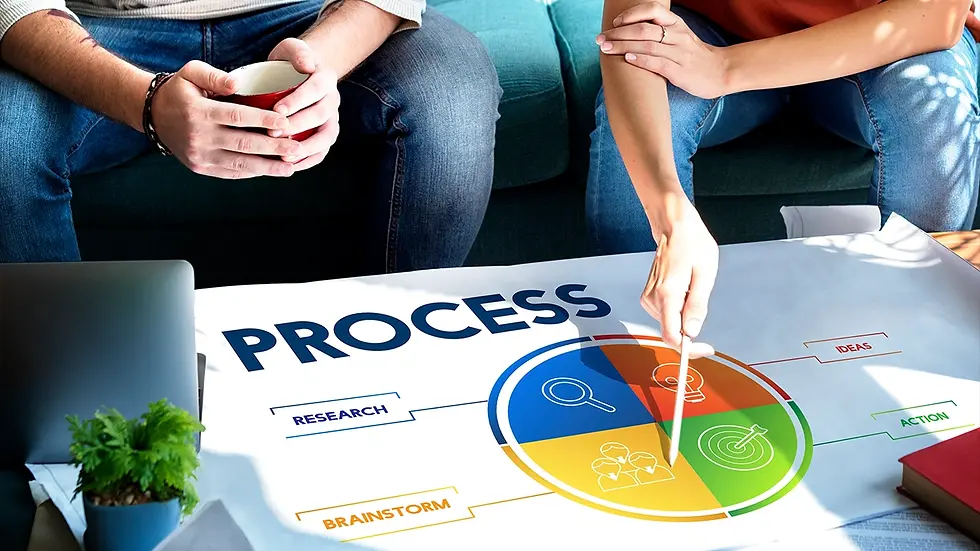
Many organisations recognise the need for capacity building but struggle to identify where the real constraints exist. A reporting issue may actually stem from weak data systems. Fundraising challenges may be connected to unclear organisational positioning.
Program quality concerns may trace back to gaps in planning, leadership, or internal coordination. Sustainable improvement begins with understanding these connections.
4th Wheel works with NGOs, foundations, and social sector organisations to strengthen the systems that support long-term performance and impact.
What organisations gain through our support:
Organisational assessments that identify capacity gaps: We help organisations understand where operational, strategic, and management challenges are limiting performance.
Leadership and management strengthening: We support leaders in improving planning, decision-making, and organisational alignment.
Monitoring, evaluation, and learning systems: We help organisations build stronger processes for data collection, reporting, learning, and program improvement.
Strategic planning and organisational development: We work with teams to define priorities, strengthen direction, and prepare for future growth.
Capacity building training tailored to organisational needs: Support is designed around the realities of the organisation rather than generic training modules.
Systems that support growth and sustainability: We help organisations strengthen the structures needed to manage larger programs, partnerships, and funding opportunities.
Practical solutions grounded in implementation realities: Recommendations are designed to work within existing organisational contexts and constraints.
The strongest organisations don't necessarily have the largest teams or budgets. What they do have are the clearest systems, the strongest leadership, and the greatest ability to learn, adapt, and improve over time.
Final Thoughts
The need for capacity building is not a sign that an organisation is struggling. In many cases, it is a sign that the organisation is growing, taking on greater responsibility, and preparing for a larger role in creating social impact.
Strong missions and committed teams remain important, but long-term success also depends on leadership, systems, planning, learning, and organisational resilience. Recognising the signs of capacity building early gives NGOs an opportunity to strengthen these foundations before small gaps become larger challenges.
At 4th Wheel, we support organisations that want to build stronger systems, improve decision-making, and prepare for sustainable growth. Through capacity building, organisational assessments, training, and strategic support, we help teams strengthen the structures that sit behind effective programs and long-term impact.
Every stronger organisation creates the potential for stronger outcomes in the communities it serves. Get in touch with us to build the leadership, systems, and organisational capacity needed for long-term social impact.

